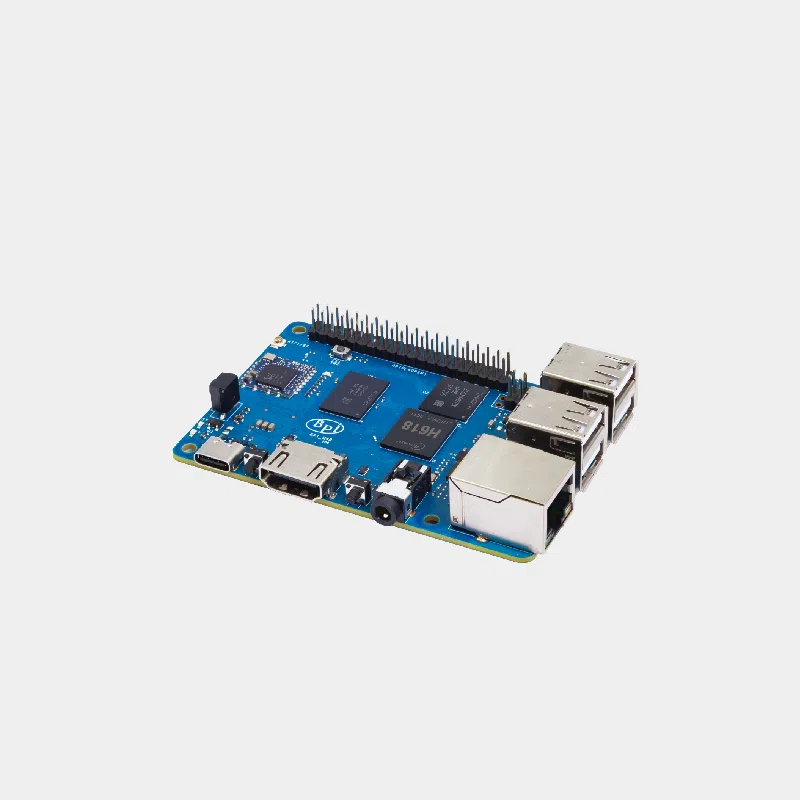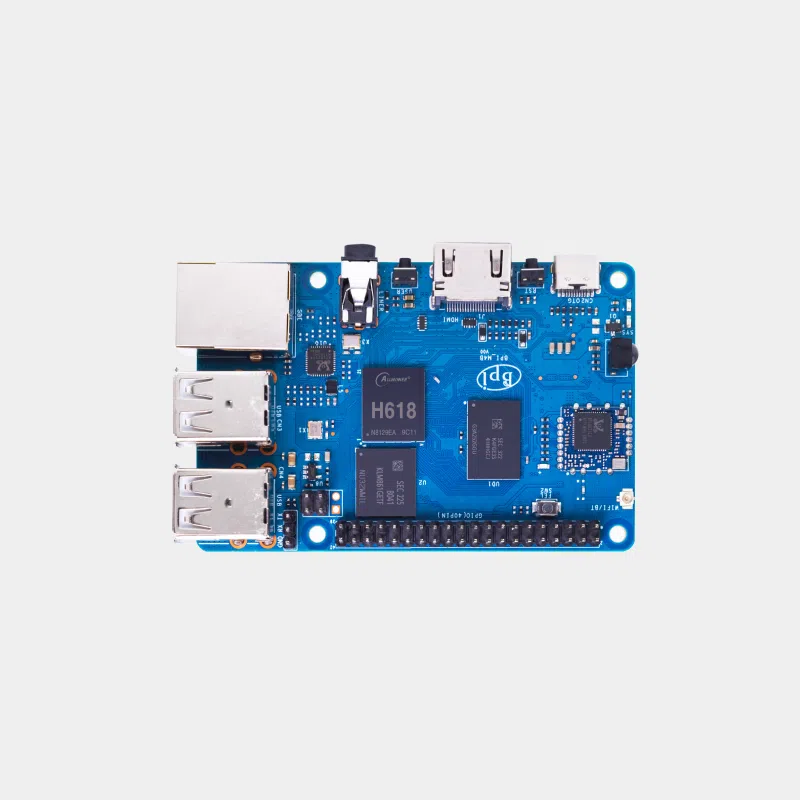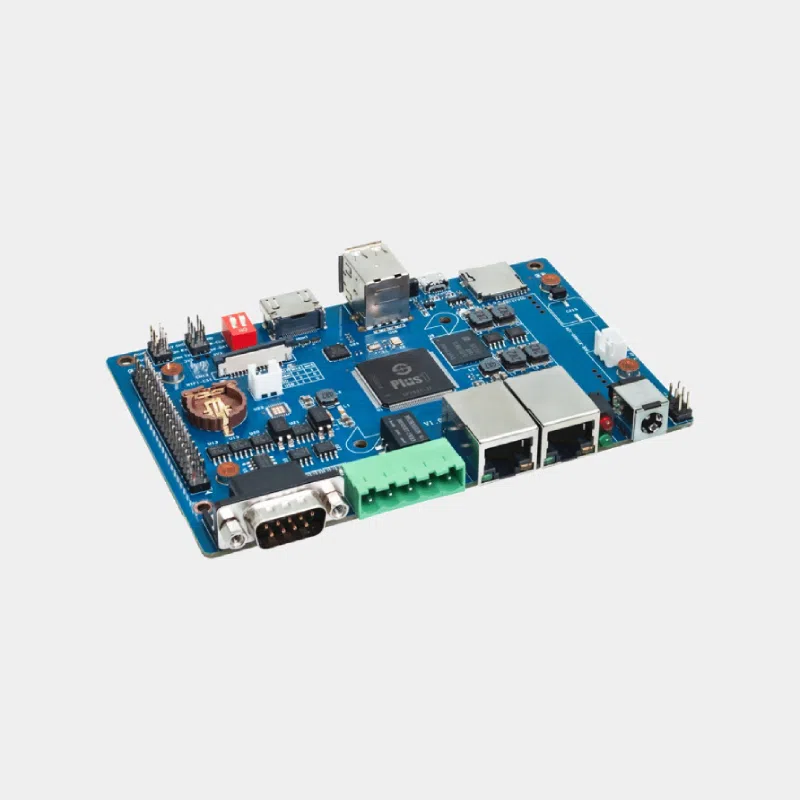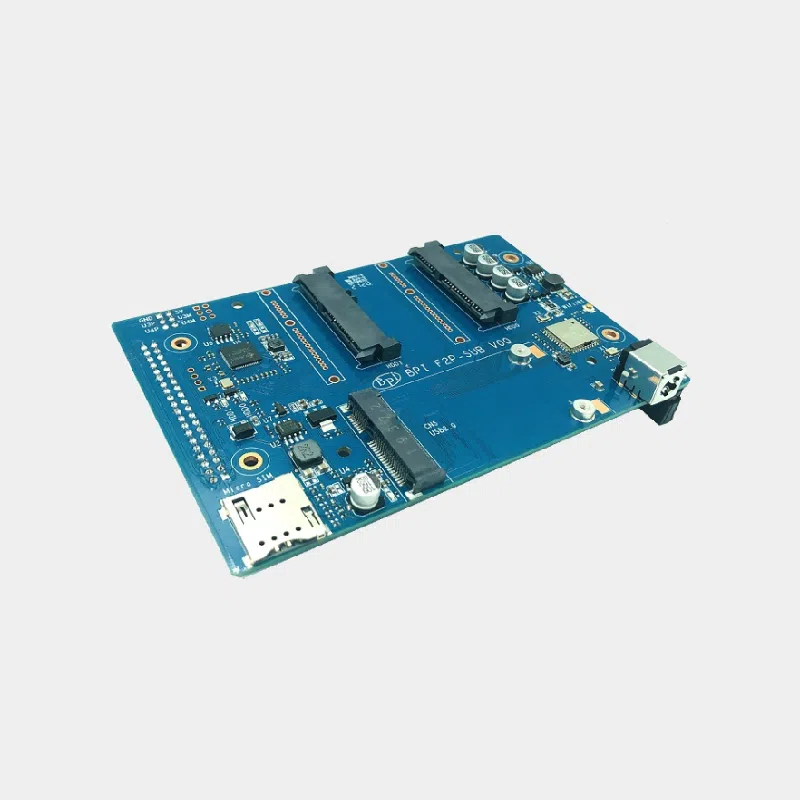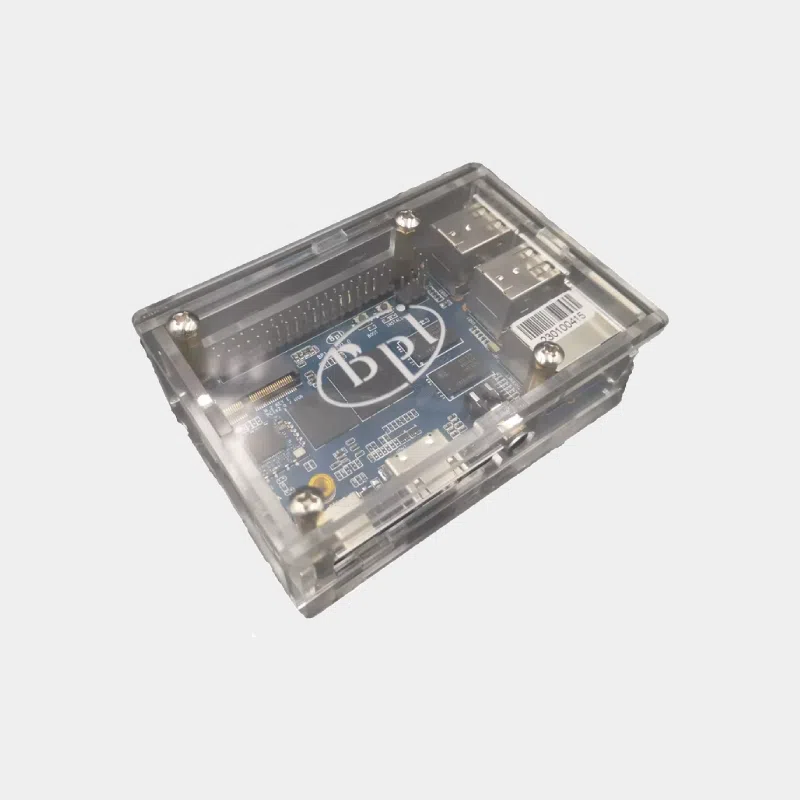


Banana Pi BPI-R3 Mini
262,80 € INCL. VAT
- MediaTek MT7986A SoC (Filogic 830) with Wi-Fi 6 and dual 2.5 GbE Ethernet
- 2 GB DDR4 RAM, 8 GB eMMC, M.2 NVMe PCIe x2
- Compatible with OpenWRT, Ubuntu 22.04 and Debian 10/11
Business, school or public body? business account Education offers
Banana Pi BPI-R3 Mini
262,80 € INCL. VAT
- Description
Description
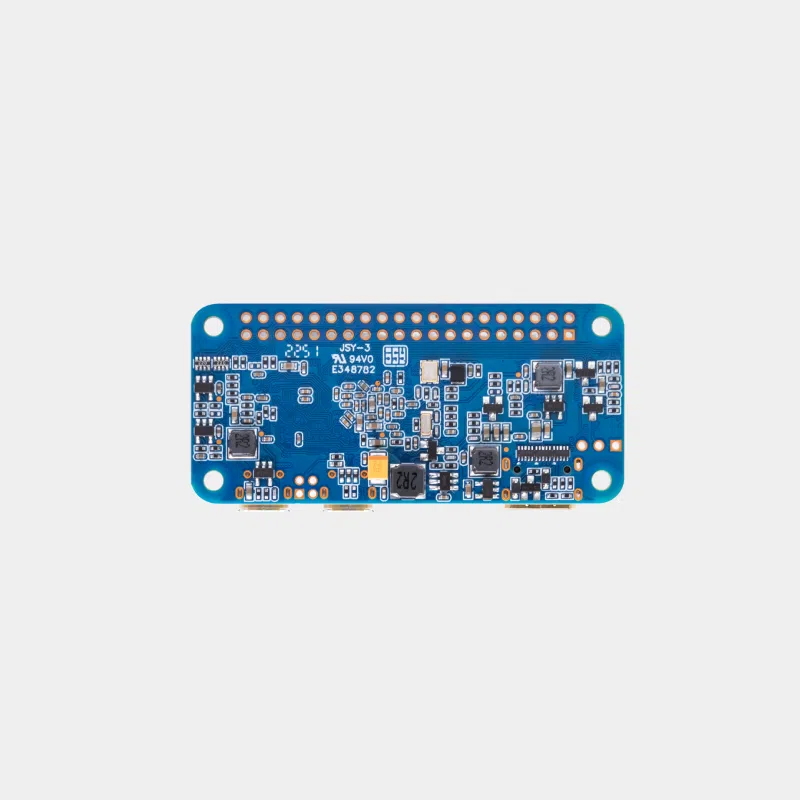
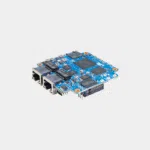
Banana Pi BPI-R3 Mini: a 65 × 65 mm open source Wi-Fi 6 router
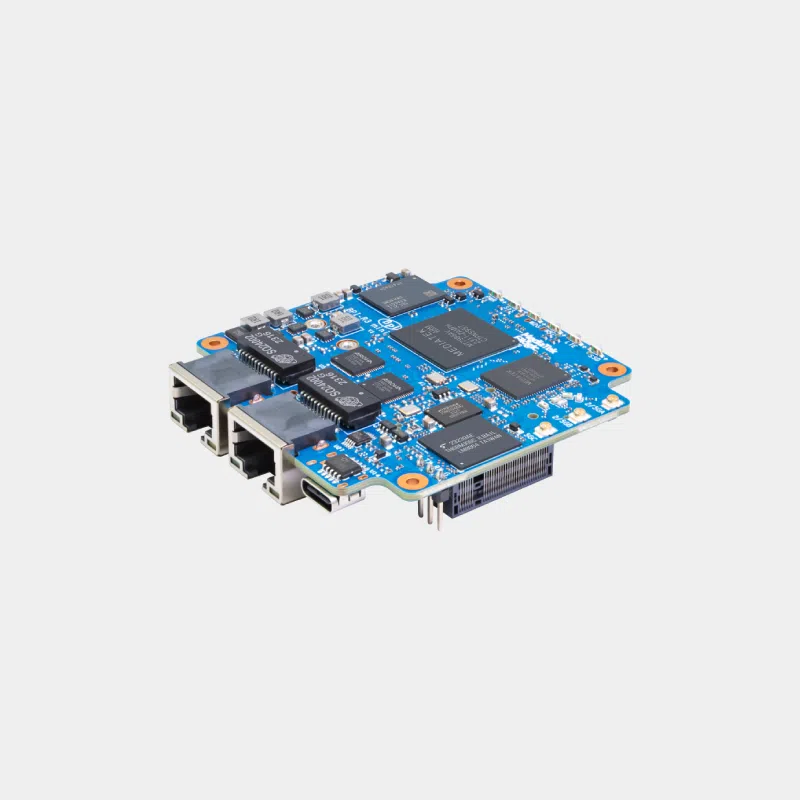
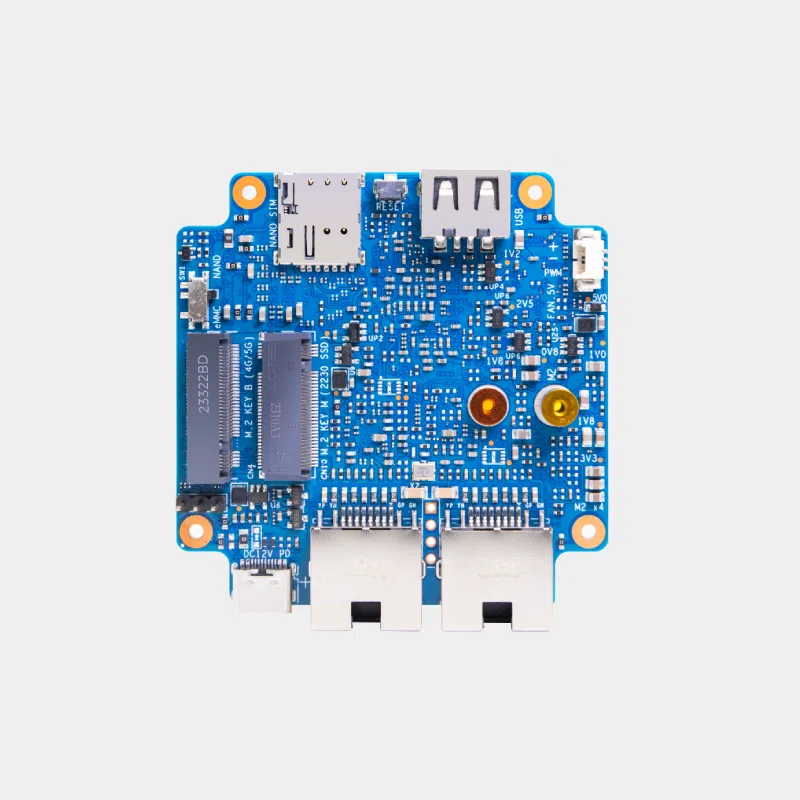
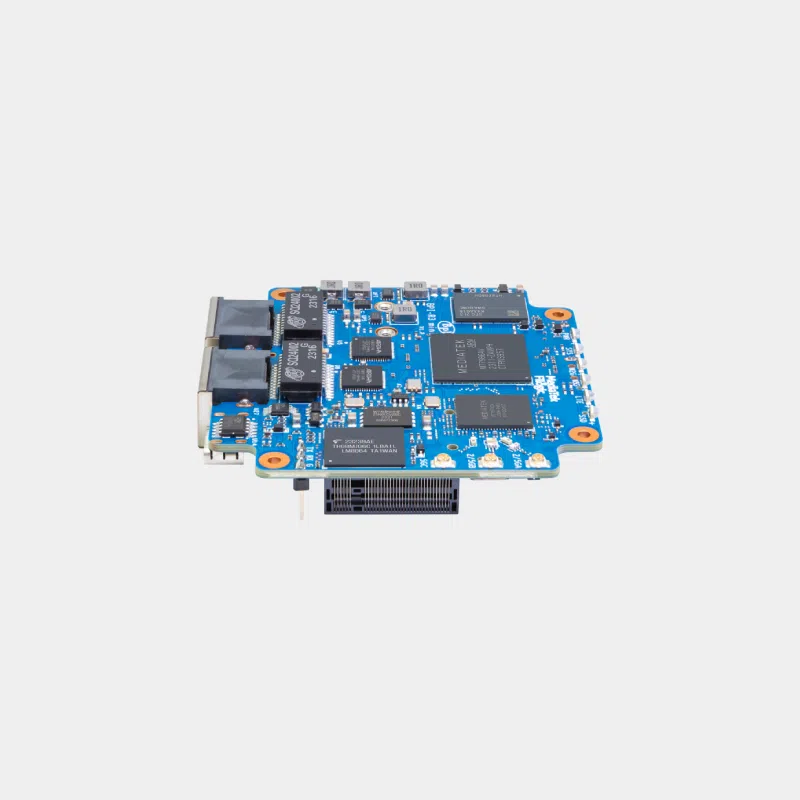
The Banana Pi BPI-R3 Mini is a router board based on the MediaTek MT7986A (Filogic 830)SoC. On 65 × 65 mm, it combines Wi-Fi 6 dual-band, two 2.5 GbE Ethernet ports, an M.2 slot for an NVMe SSD and an M.2 slot for a 4G/5G modem. It is the ideal base for building your own router, access point or gateway running OpenWrt, with open hardware that you control.
Highlights
- Filogic 830 : four Cortex-A53 cores up to 2 GHz and a hardware acceleration engine for Wi-Fi and network offloading.
- Wi-Fi 6 with the MT7976C chip: 2×2 on 2.4 GHz and 3×3 on 5 GHz.
- Two 2.5 GbE ports : one WAN and one LAN beyond Gigabit, perfect for fibre.
- Dual M.2 : PCIe M key for an NVMe SSD, USB B key for a 4G/5G modem.
- Compact size of 65 × 65 mm and 100 g, powered via USB-C.
Technical specifications
| Features | Value |
|---|---|
| SoC | MediaTek MT7986A (Filogic 830), 4 × Arm Cortex-A53 |
| Memory | 2 GB DDR4 |
| Storage | 8 GB eMMC + 128 MB SPI NAND |
| Wi-Fi | Wi-Fi 6, MT7976C, 2×2 2.4 GHz + 3×3 5 GHz |
| Ethernet | 2 × 2.5 GbE |
| M.2 | 1 × PCIe M key (NVMe SSD), 1 × USB B key (4G/5G modem) |
| USB | 1 × USB 2.0 |
| Buttons and LEDs | reset, boot selector, 5 LEDs (power, system, 2.4 GHz Wi-Fi, 5 GHz Wi-Fi, 4G, SSD) |
| Power supply | 12 V, 20 W via USB-C Power Delivery |
| Dimensions and weights | 65 × 65 mm, 100 g |
Compatibility and points to note
- Operating system : Banana Pi publishes OpenWrt images for this board (open source Wi-Fi driver or MediaTek driver).
- 5G modems : Banana Pi validates the Quectel RM500U-CN and RM520N-GL modules.
- No video output or standard GPIO : this is a networking board, not a Raspberry Pi. It does not accept HATs.
- 12 V power supply : a standard 5 V USB-C charger is not enough, you need a Power Delivery source that offers the 12 V profile.
What else you need
- The BPI-R3 Mini metal case, designed for this board, to protect it and install it neatly.
- The BPI-R3 Mini antenna kit to make the most of dual-band Wi-Fi 6.
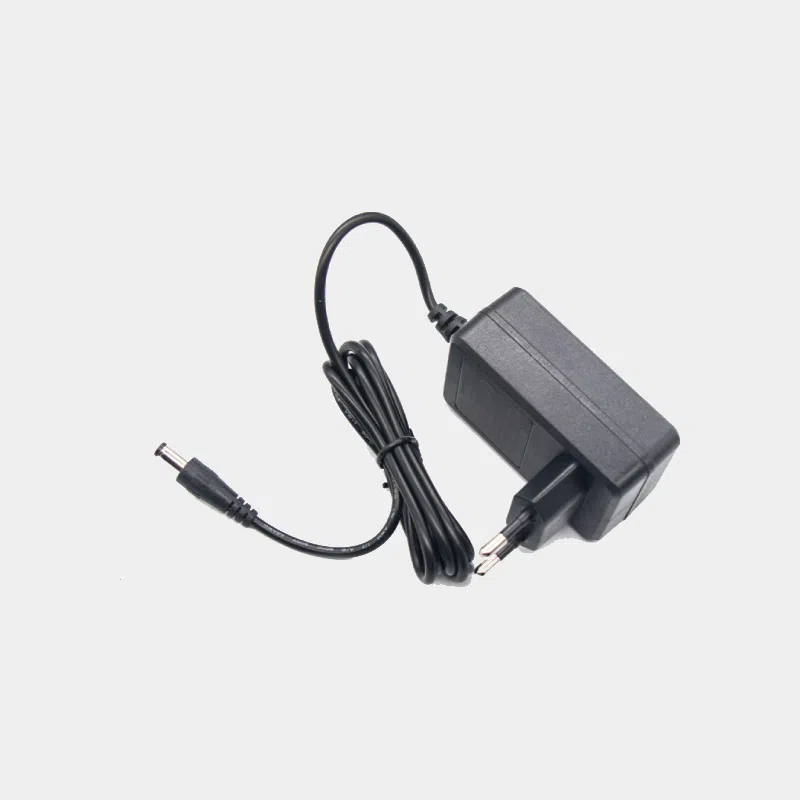
- The official 45 W USB-C power supply : it offers a 12 V 3.75 A Power Delivery profile, above the 20 W required.
- RJ45 CAT6 Ethernet cables, suitable for 2.5 GbE.
Uses and projects
- Main router behind a fibre ONT, with firewall, VLANs and WireGuard VPN under OpenWrt.
- Wi-Fi 6 access point or mesh repeater.
- Backup 4G/5G router with an M.2 modem.
- Small network NAS on NVMe SSD.
To get started: getting started with a Banana Pi, step-by-step guide. Also discover the full Banana Pi range.
Frequently asked questions
What is the difference between the Banana Pi BPI-R3 and the BPI-R3 Mini?
Both use the same Filogic 830 SoC. The BPI-R3 is a larger board with more network ports, including SFP cages; the R3 Mini shrinks the format to 65 × 65 mm with two 2.5 GbE ports and adds an M.2 slot for a modem.
Does the BPI-R3 Mini run OpenWrt?
Yes, it is its reference system: Banana Pi publishes dedicated OpenWrt images.
How is the BPI-R3 Mini powered?
At 12 V via USB-C Power Delivery, with a source of at least 20 W offering the 12 V profile.
Can an SSD be added?
Yes, an NVMe SSD in the M.2 M key (PCIe) slot.
Order with confidence: official, tested products, stock based in France, shipping within 24/48 h after receipt of payment, free pickup point delivery on orders from €200, returns within 14 days (with return authorization) and payment by Visa, Mastercard, PayPal, Apple Pay or Google Pay.