
-
 Raspberry Pi Pico accessories, Test and debugging tools
Raspberry Pi Debug Probe
13,45 € INCL. VATIn stockChargez et déboguez vos programmes Pico sans soudure ni bouton BOOTSELPonts USB vers SWD et UART, CMSIS-DAP, compatible OpenOCD et GDBPour Pico, Pico 2 et console série 3,3 V, trois…
Analyzer, adapter or probe: which test tool should you choose?
These tools do not do the same job. A protocol analyzer listens to a bus without disturbing it and displays the decoded exchanges. A host adapter acts on the bus: it sends commands and programs memories. A debug probe gives access to the board's processor, to load a program and step through it.
| Product | Purpose | Bus | Stated rate |
|---|---|---|---|
| Total Phase Beagle USB 12 | Analyzer | USB Full and Low Speed | 12 Mbit/s |
| Total Phase Beagle USB 480 | Analyzer | USB 2.0 | 480 Mbit/s |
| Total Phase Beagle USB 5000 v2 Ultimate | Analyzer | USB 3.0 and USB 2.0 | 5 Gbit/s |
| Total Phase Beagle I2C/SPI | Analyzer | I2C, SPI, MDIO | I2C 4 MHz, SPI 24 MHz, MDIO 2.5 MHz |
| Total Phase Cheetah | Host adapter | SPI, as master | 40+ MHz |
| Raspberry Pi Debug Probe | Probe | SWD and UART | Depends on the target |
Debugging USB: start from the device's speed
A USB analyzer sits between the host and the device, and another port connects it to your analysis computer. Up to 12 Mbit/s, the Beagle USB 12 is suitable. For a USB 2.0 High Speed device, you need the Beagle USB 480, which also decodes USB classes. For USB 3.0, the Beagle USB 5000 v2 monitors both buses at the same time, up to 5 Gbit/s.
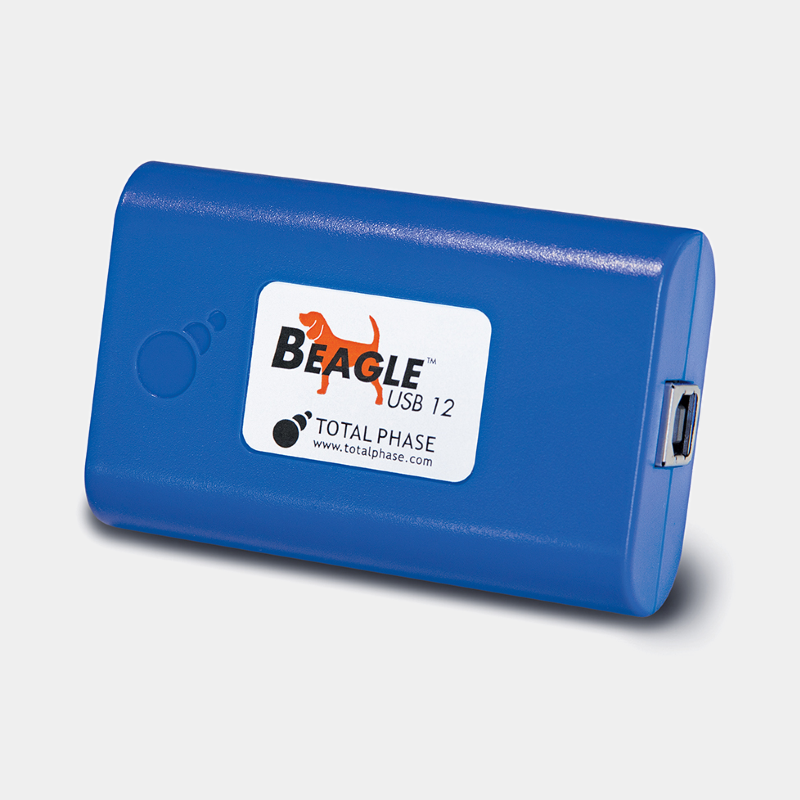 Total Phase Beagle USB 12: USB 1.1 protocol analyzer, 12 Mbit/s526,90 € INCL. VATOut of stockOut of stockView the product
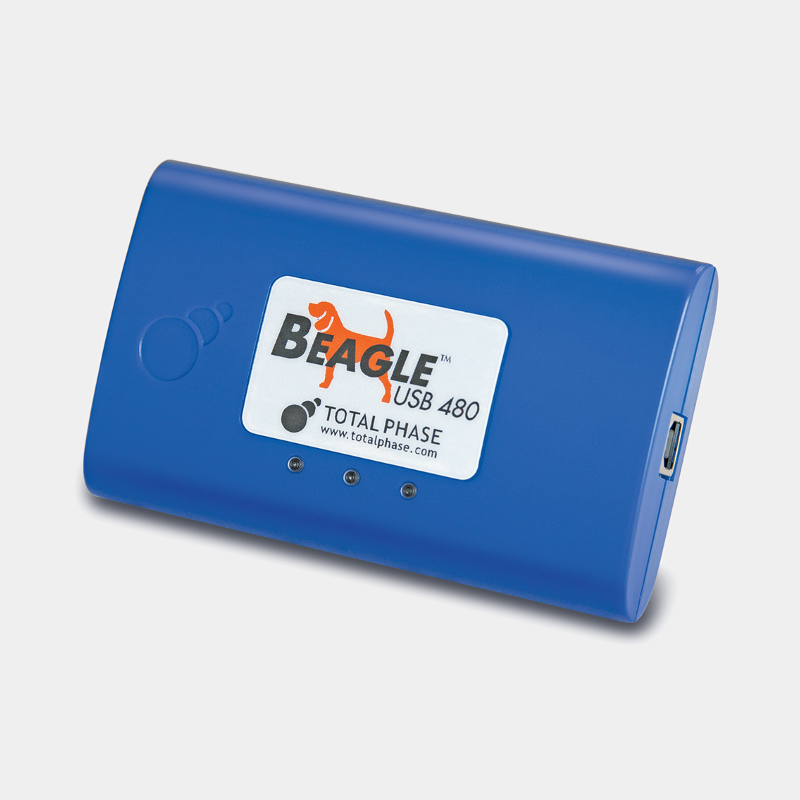 Total Phase Beagle USB 480: USB 2.0 protocol analyzer, 480 Mbit/s1310,90 € INCL. VATOut of stockOut of stockView the product
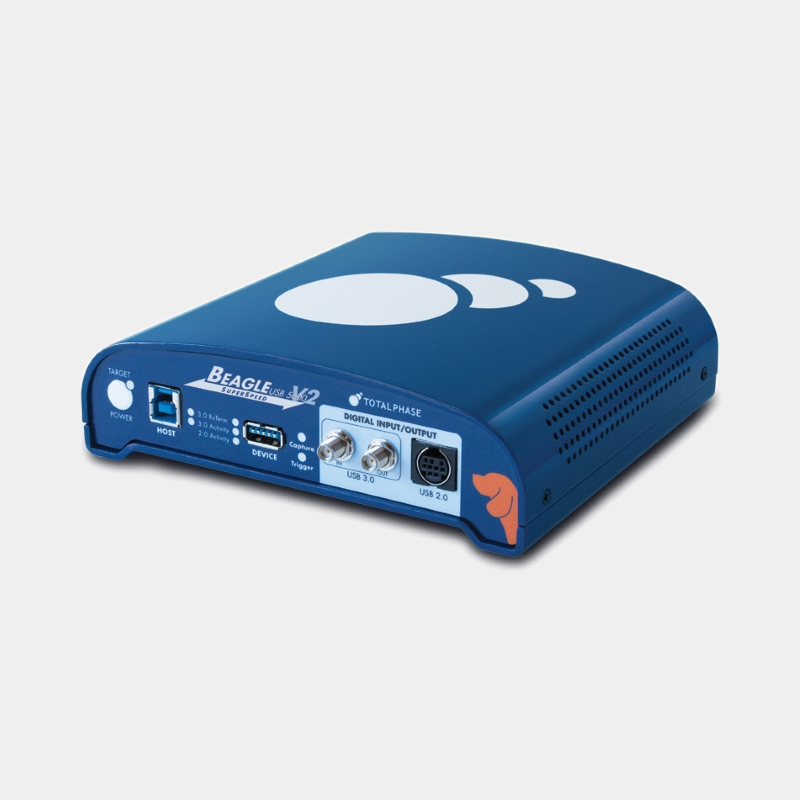 Total Phase Beagle USB 5000 v2 Ultimate: USB 3.0 protocol analyzer6395,90 € INCL. VATIn stockIn stockAdd to cart
I2C and SPI: observe or control
To understand an exchange between a processor and a sensor or memory, the Beagle I2C/SPI listens to the bus without intervening. To program an SPI Flash memory or test a device by acting as master, use the Cheetah. The signals of these two tools are stated at 3.3 V: check that this suits your board.
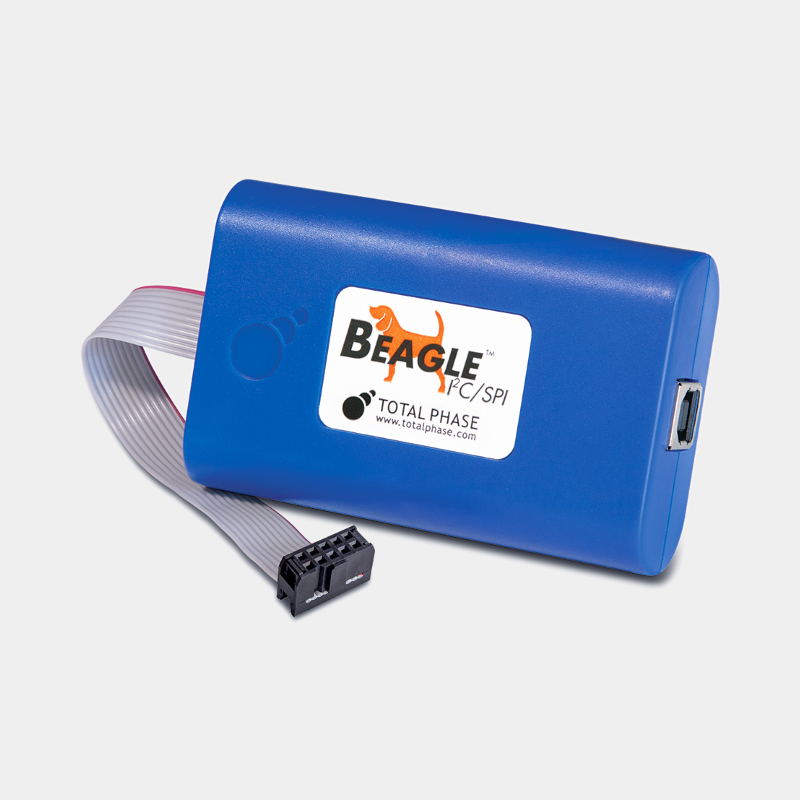 Total Phase Beagle I2C/SPI: I2C, SPI and MDIO protocol analyzer477,90 € INCL. VATOut of stockOut of stockView the product
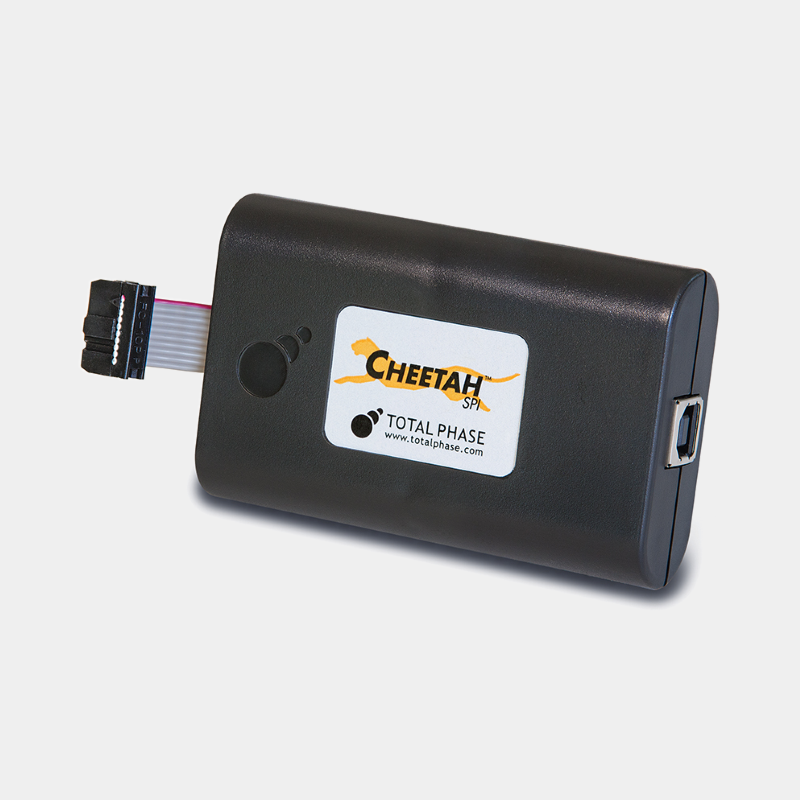 Total Phase Cheetah: high-speed USB to SPI host adapter465,90 € INCL. VATOut of stockOut of stockView the product
Debugging a Pico: the Debug Probe
Visit Raspberry Pi Debug Probe provides a UART port and an Arm SWD interface, to the CMSIS-DAP standard. It lets you load a program with OpenOCD and debug it. It does not analyze USB, I2C or SPI traffic: for that, you need an analyzer.
Frequently asked questions
Logic analyzer or protocol analyzer?
A logic analyzer records the high and low levels of several channels, and decoding is then done in software. A protocol analyzer has hardware and software dedicated to the target bus. For occasional debugging, the former is often enough. The latter is better justified for regular use.
Do these tools run on a Raspberry Pi?
Total Phase software requires a computer with an Intel or AMD processor, running Windows, Linux or macOS: the manufacturer does not mention the Raspberry Pi. Plan on a PC or Mac as your analysis computer.
Do you need to buy extra software?
No for the Total Phase products shown here: the manufacturer offers their software and APIs as free downloads.