Male-female jumper wires (pack of 10)

3,80 € INCL. VAT

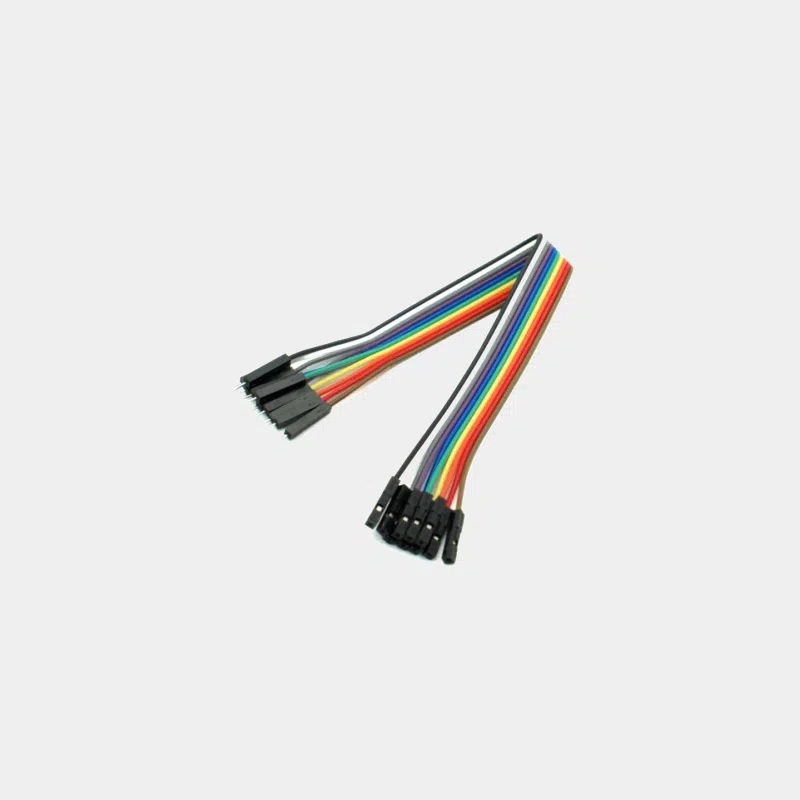
Jumper wires for Raspberry Pi boards, male-female connectors, 150mm long, pack of 10.

Reference: JUMPER-MF-150 Category:
In stock, ships within 24/48h.
Request a quoteBusinesses, schools: volume pricing on request, reply within 24/48 h
Secure paymentCard, PayPal, Apple Pay, Google Pay and public-sector payment order

Business, school or public body? business account Education offers
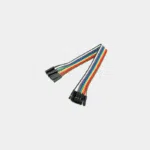
Multicolored male-female jumper wires, set of ten leads with Dupont connectors

Male-female jumper wires (pack of 10)

3,80 € INCL. VAT

In stock
Delivery banner: lead times and rates for pickup point and home delivery
TrustScore

Loading...

Banner of accepted payment methods: Visa, Mastercard, PayPal, Apple Pay and Google Pay

Description

These 150 mm male-to-female jumpers offer a simple, reliable way to connect sensors, modules and prototyping boards (breadboards, Raspberry Pi HATs, Arduino shields). A pack of 10 cables lets you build your circuits quickly while keeping the wiring clean and tidy.

Technical specifications

Attribute Detail
Type Male ↔ female jumper wires
Quantity 10 cables
Length 150 mm
Connectors 0.1 ″ (2.54 mm) pins, crimped on each end
Color Multicoloured (1 of each standard colour)
Compatibility Breadboards, Arduino boards, Raspberry Pi HATs, various modules
Product reference PSG-JMP150MF

Benefits & advantages

  • Modularity and extension
    Connect several cables together for longer links without losing reliability.
  • Time saving
    Pre-wired, they avoid soldering and make quick tests easy.
  • Optimised cable management
    150 mm length, perfect for Raspberry Pi breakout boards, with no excess cable.
  • Multi-platform versatility
    Ideal for Raspberry Pi, Arduino, ESP32, micro:bit and any breadboard development.

How to use

  • Breadboard prototyping
    • Plug the male pin into your breadboard and the female pin onto the header of a module or board.
  • Sensor connection
    • Quickly connect your sensors (temperature, humidity, presence) to your development board.
  • Circuit testing
    • Take advantage of the modularity to check various test points without soldering.
  • Educational builds
    • Teaching and workshops: reusable over and over, without damaging components.

In the same category...